








Why RiverStone Aquatics?
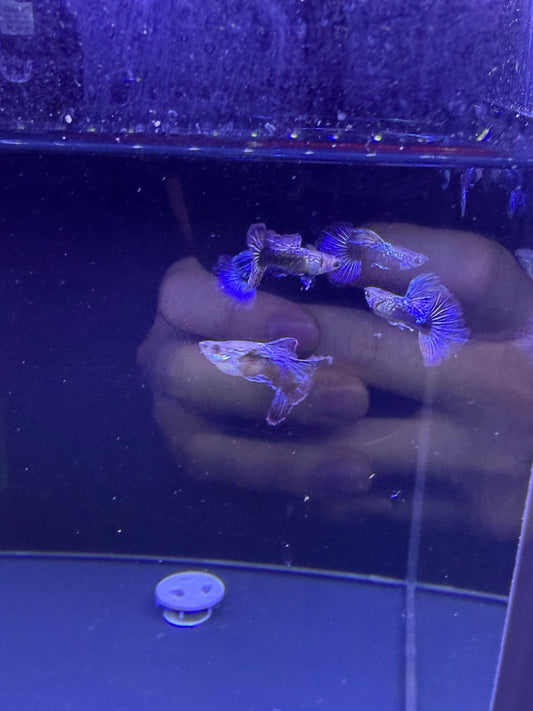
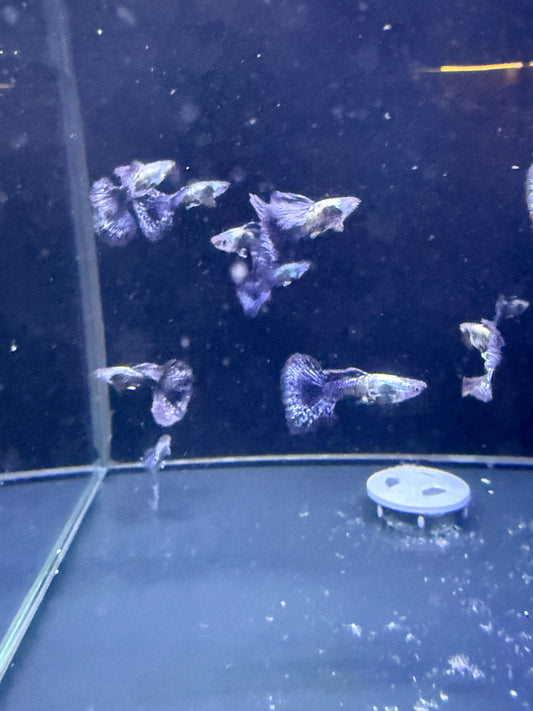
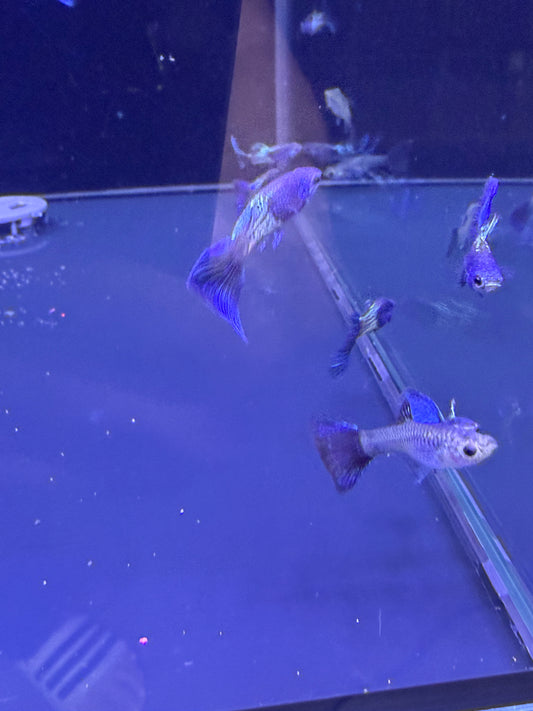
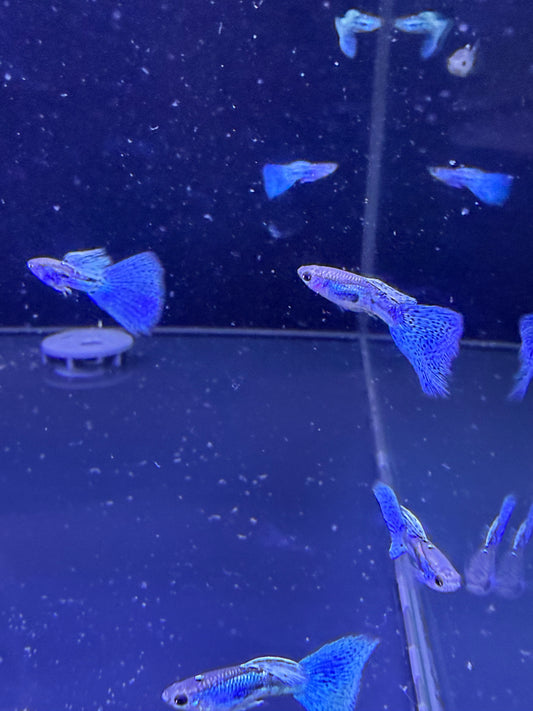
We obsess over healthy aquarium livestock. Every fish, shrimp, and snail is quarantined, honestly listed with real photos, and shipped with attention to detail so it arrives healthy and stress-free. Located in a 10,000 indoor warehouse in Glennville, GA. We breed most of our stock locally.

Livestock is all we do. That focus means better husbandry, accurate listings, and consistent quality across every species we offer.

Every fish is housed in clean, monitored systems and observed before listing to ensure it is active, eating well, and disease-free.

Fish are packed with oxygen, insulation, and temperature control to protect them during transit.

What you see is what you get — we list real photos of the actual fish for sale, plus live tank-cam viewing.

Free Next-day Shipping

100% Live Arrival Guarantee

Fast support

Ship Across the US
What our customers say
-
The Quality of the fish are simplely insane, best I have ever received in mail
Emma Harrison

-
Very fast shipping once they ship, they might hold your order for 1-2 weeks due to weather before shipment
Oliver Smith
-
These Plecos clean my tank very well!
Isabella Turner
-
Very fast support, we had some questions related to shipping, got a response within the same day. I like how responsive the team is
James Martin


FAQ
How do you ship live fish, and is it safe?
We ship all live fish safely using industry-best practices. Each fish is carefully bagged with oxygen, wrapped in insulated packaging, and shipped via overnight or 2-day express courier to minimize transit stress. We use heat packs in cold months and ice packs during summer to maintain ideal water temperatures. All livestock orders are shipped Monday through Wednesday to avoid weekend delays at shipping facilities. You will receive a tracking number by email as soon as your order ships.
What is your Dead on Arrival (DOA) policy?
We guarantee live arrival on all livestock orders. If a fish arrives dead, you must contact us within 2 hours of delivery with a clear photo or video of the deceased fish still in the unopened bag. Once verified, we will issue a store credit or replacement at no extra charge. Please note: DOA claims require photo evidence and must be reported promptly. We cannot process claims for fish that were improperly acclimated, placed in uncycled tanks, or kept in unsuitable water conditions.
Can I view the fish before buying? How does your live stream work?
Yes! Our live stream bot lets you see exactly what you are buying before you commit to a purchase. You can control the camera angle remotely to get a closer look at specific fish in our tanks. Simply navigate to our Live Stock page and activate the stream — no account needed. This unique feature means you can assess the health, coloring, and behavior of your fish in real time, giving you total confidence in your order.
How do I acclimate new fish to my aquarium?
Plecos are not hard to care for once established. They need clean water, hiding spots like caves or driftwood, and a proper diet. Most plecos adapt well when water conditions are stable.
How often should I clean my aquarium?
Perform a 20–30% water change weekly, vacuum the substrate to remove debris, and wipe algae from the glass as needed. Avoid cleaning everything at once — preserving some beneficial bacteria on filter media and substrate is important for tank stability.
What is the difference between freshwater and saltwater aquariums?
Freshwater aquariums use tap or dechlorinated water and are generally easier and less expensive to maintain. Saltwater (marine) aquariums require specialized salt mixes, more precise parameter control, and typically house fish like clownfish, tangs, and angelfish. Freshwater is recommended for beginners.
How do I treat sick fish in my aquarium?
The first step is always to improve water quality — perform a water change and test your parameters. Common treatments include quarantine tanks, aquarium salt, and medications like antibiotics or antifungals depending on the illness. Always isolate sick fish to prevent disease from spreading to the rest of your tank.
Which fish are good for beginners?
Great beginner fish include guppies, platies, mollies, tetras, and zebra danios. These species are hardy, peaceful, and adaptable to a range of water conditions. Avoid cichlids, bettas (if keeping multiple), and large predatory fish until you have more experience.
What should I feed my aquarium fish?
Most tropical fish are omnivores and do well on a varied diet of high-quality flakes, pellets, and occasional frozen or live foods like brine shrimp or bloodworms. Feed small amounts 1–2 times per day — only what they can consume in 2–3 minutes. Overfeeding is one of the most common causes of poor water quality.
How many fish can I keep in my aquarium?
A general rule of thumb is 1 inch of fish per gallon of water, though this varies by species. Active swimmers and larger fish need more space. Always research the adult size of each species before purchasing. Overcrowding leads to poor water quality, stress, and disease.
How do I cycle a new aquarium before adding fish?
Cycling establishes beneficial bacteria that convert toxic ammonia into less harmful nitrates. The process typically takes 4–8 weeks. Add an ammonia source (fish food or pure ammonia) to your tank, wait for nitrite levels to spike and then drop, and confirm nitrates are present before adding fish. A fully cycled tank is the foundation of a healthy aquarium.
What water parameters do aquarium fish need?
Most tropical freshwater fish thrive in water temperatures between 75–82°F (24–28°C), with a pH of 6.5–7.5 and low levels of ammonia and nitrites. Regular water testing with a liquid test kit is essential. We recommend performing 20–30% water changes weekly to maintain stable, healthy conditions for your fish.
